Guides
Practical notes on materials, techniques, tools, organization, and gifts for people who make things.
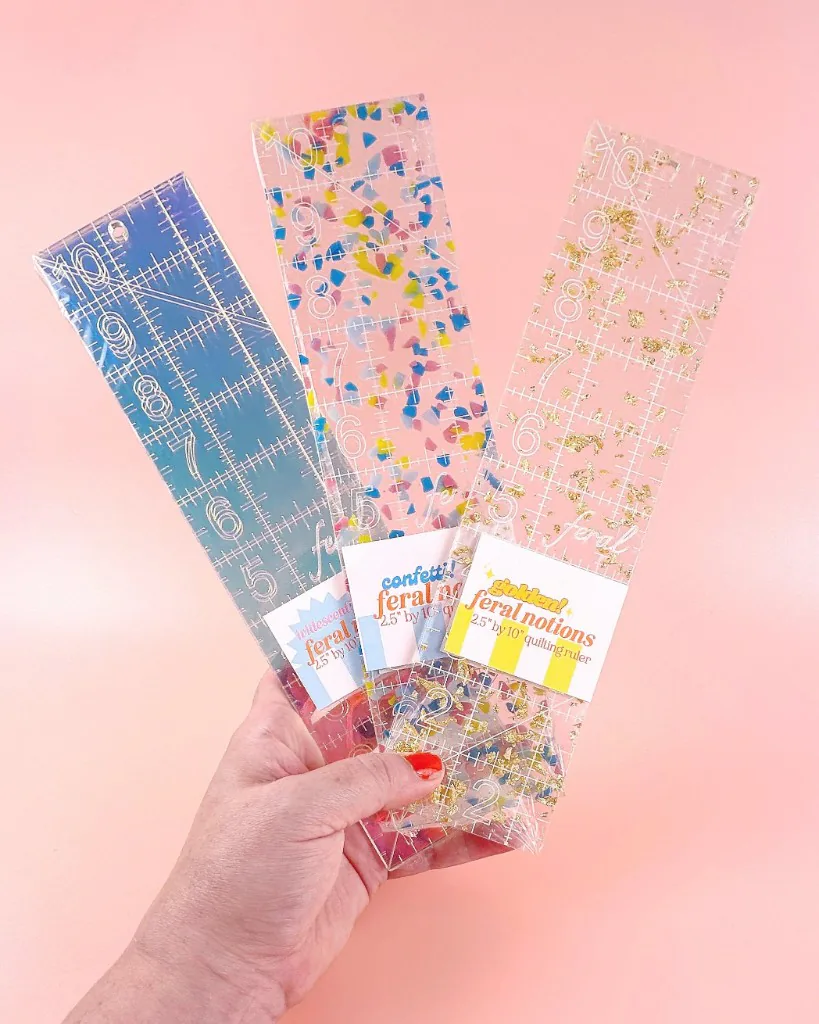
Tools for sewing beginners
A small set that cuts cleanly, measures accurately, and holds fabric still, plus one seam guide when you want steadier seam allowances.
Read the guideBrowse all guides

Tips for buying fabric online by the yard
Shop by specification instead of photograph: yardage math, fiber content and weight, continuous cuts, and when a swatch is worth the wait.
Read the guide
How to read fabric specs
Six facts explain most of the behavior: fiber content, weight in GSM, width, hand and drape, opacity, and expected shrinkage.
Read the guide
Natural fiber clothing: how to choose fabric to sew
Which natural fabric to buy by the yard, at what weight, for which garment. Fiber sets the hand. Weight sets what the fabric can support.
Read the guide
Sewing dresses with natural fibers
Whether the pattern is drafted for fabric that falls or fabric that holds, plus yardage, lining, and finish for the dress you will sew.
Read the guide
Fat quarter bundles: how to choose and use them
What a fat quarter is, how many you need per quilt size, what one cut yields, and when yardage is the better buy than a coordinated bundle.
Read the guide
Beginner sewing patterns and fabric
How to choose a first pattern, read the envelope and size chart, and build a practical fabric-and-notions list for the project.
Read the guide
Fabric glue: when to glue, when to sew
Where glue helps with hems, appliqué, and no-sew fixes, and the seams that still need a stitch to hold through washing.
Read the guide
How to organize embroidery floss
Bobbins, rings, boxes, and color sorting compared, so you can find the shade you need without unwinding the whole drawer.
Read the guide
Sewing organizer ideas that keep notions findable
Project bags, thread racks, carts, and specialty storage, chosen so notions stay visible and are easy to put back.
Read the guide
Gifts for crafters, artists, and makers
Sewing kits, notions bundles, embroidery supplies, and useful creative supplies, sorted by budget rather than by guesswork.
Read the guide
Types of sewing needles: points, sizes, and uses
Pick the point for how the fabric is built, then the size for how heavy it is, from universal and ballpoint through sashiko and hand sharps.
Read the guide
Sashiko and visible mending: thread, needles, and stitches
One running stitch, the thread and needles used for the stitch, classic patterns, a denim patch walkthrough, and the boro tradition behind visible mending.
Read the guide
Knitting and crochet for beginners
Yarn weights decoded, needle and hook sizing in three systems at once, why gauge sets the finished size, and the first projects that get finished.
Read the guide
Weaving for beginners
Loom types compared, warp versus weft in plain language, how to sett a stable warp, and a first woven project from start to finish.
Read the guide
Buttons: types, sizing, and sewing them on
Flat or shank, button diameter in millimeters, and a thread shank so a button sewn onto anything thicker than shirting does not pull out.
Read the guide
Interfacing and stabilizers explained: fusible, sew-in, woven, and knit
The right interfacing keeps a collar from flopping, a waistband from folding, and a buttonhole from stretching into a slot.
Read the guide
Rick rack and trims: a buyer's guide
Ric rac sizes from baby to jumbo, how to insert it in a seam or topstitch it flat, and where to use ribbon, piping, pom-pom, and lace trims.
Read the guide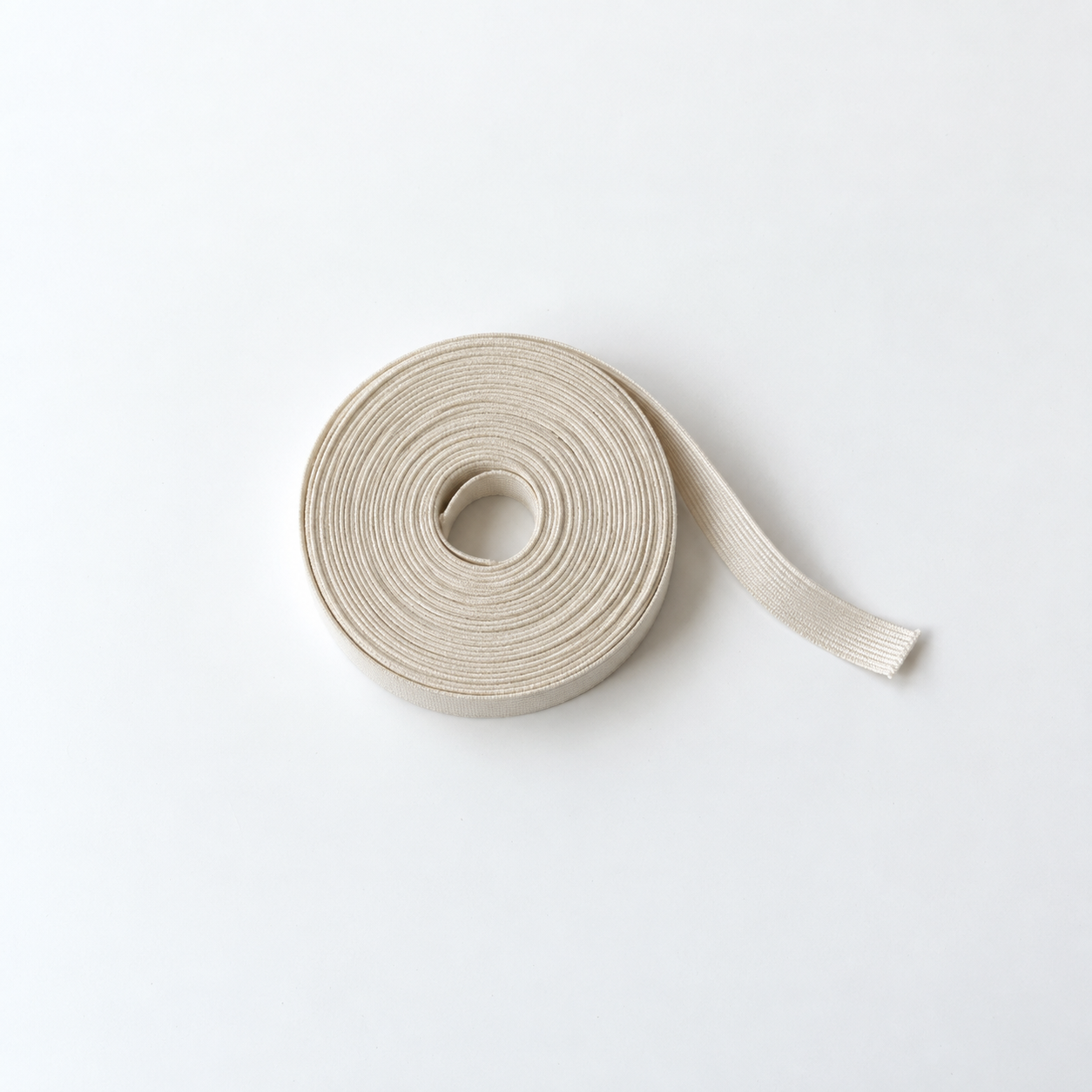
Types of elastic and where to use each one
Braided, woven, knitted, buttonhole, clear, and fold-over elastic compared: widths, stretch ratios, and how much to cut for a waistband that holds.
Read the guide
Bias tape: single-fold, double-fold, and how to sew it
A strip of fabric cut at 45 degrees, then folded to wrap a raw edge: single-fold, double-fold, widths, and how to sew it so a neckline sits smoothly.
Read the guide
Zipper types: coil, metal, invisible, and separating
Closed-end versus separating, when invisible is worth the foot, which length to buy, and how to sew a centered zip that stays in line.
Read the guide
Cutting
Choose embroidery snips for loose threads, shears for shaped fabric, and a rotary cutter and mat for long, clean lines.
Read the guide
What linen fabric is
Flax fabric explained: linen versus cotton, which GSM to sew, how much it shrinks, and how to wash and press it so the garment still fits.
Read the guide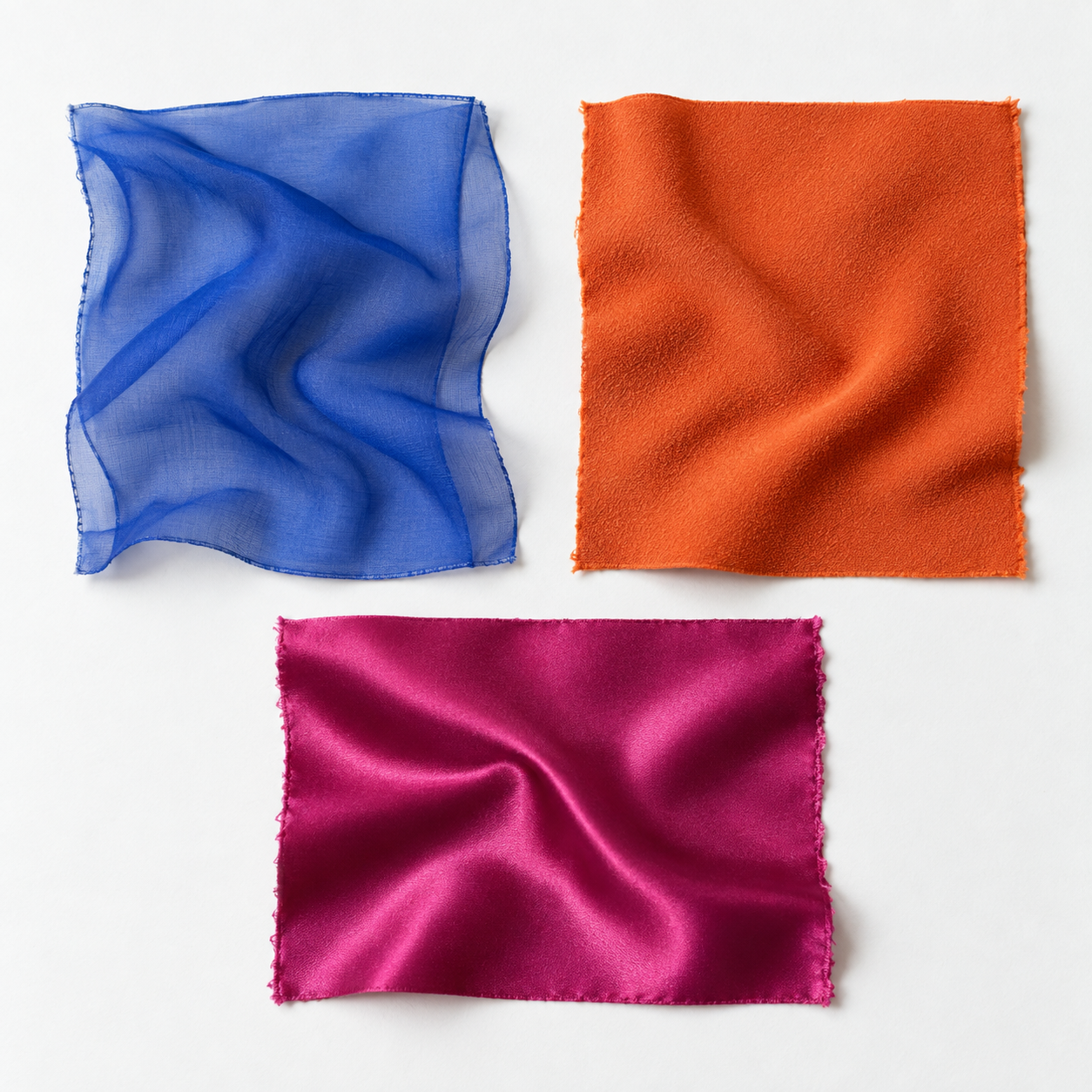
Silk weight: momme and GSM
How silk weight is measured, how momme converts to GSM, and which weights suit common garment projects.
Read the guide
Embroidery for beginners
Hoop, needle, and floss for a first project: six starter stitches, how many strands to use, and how to finish the back cleanly.
Read the guide
Colorful office supplies for your sewing room
Desk organizers, washi, and pens that keep patterns and notes off the cutting mat: what to buy, what to skip, and how to set up a useful paperwork corner.
Read the guide
Shopping eco-friendly fabric online
Fiber claims that mean something, certifications worth reading, greenwashing to skip, and how to buy lower-impact fabric by the yard.
Read the guide
What fabric to use for each sewing project
Match weight and drape to the make so a dress hangs, trousers hold a crease, and a bag stands up. Fiber name alone does not pick the fabric.
Read the guide
Button sizing and eco-friendly materials
Button sizes in millimeters and how to choose corozo, shell, cotton, and eco-composite sets for your project.
Read the guide
Slash and spread pattern alterations
Cut, open, and true a pattern piece to add fullness or length exactly where you need it in the fit or design.
Read the guide
Trims and buttons on simple patterns
One focal detail, such as buttons, bias, or rickrack, that turns a basic pattern into a finished look.
Read the guide